A face mask is the easiest way to give your skin ten minutes of extra care. Once or twice a week, it can leave skin feeling fresher, softer or more comfortable, depending on the type you choose. Here are the main kinds of face mask, which suits your skin, and how to use one.
The main types of face mask
- Clay masks use clays such as kaolin or French pink clay. They dry down on the skin and feel deep-cleansing, which makes them popular with oily and combination skin.
- Charcoal masks add activated charcoal, often with tea tree, for a fresh, clarifying feel.
- Powder face packs are dry blends of plant powders that you mix with water, rose water or aloe gel just before use.
- Cream and gel masks are hydrating and stay soft on the skin, which suits dry and tired-looking skin.
Clay face masks
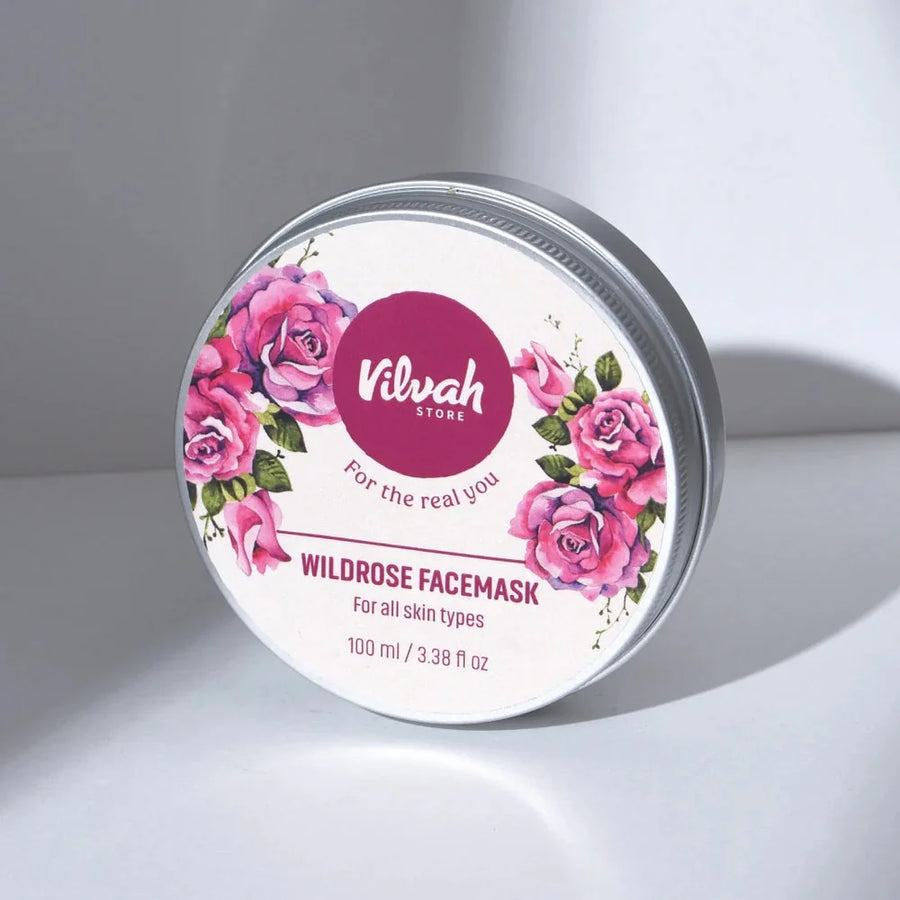
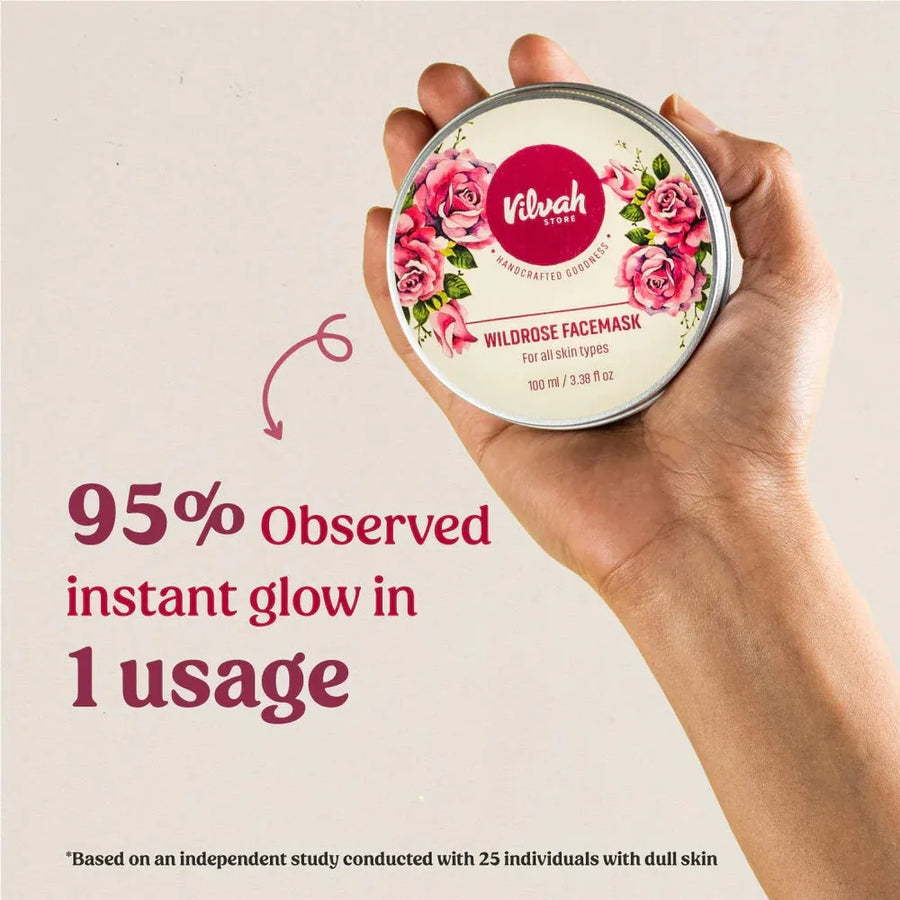
Vilvah Milk Mud Mask (£19.99, 50ml) is a creamy clay face mask: kaolin clay with oat milk extract, saffron extract and liquorice root extract, made without sulphates, silicones or artificial fragrance, and suitable for all skin types including sensitive skin. Vilvah Wild Rose Face Mask (£11.99, 100ml) keeps things short and simple: aloe vera, French pink clay and rose hydrosol. Vilvah suggests using it two or three times a week.
Charcoal face masks
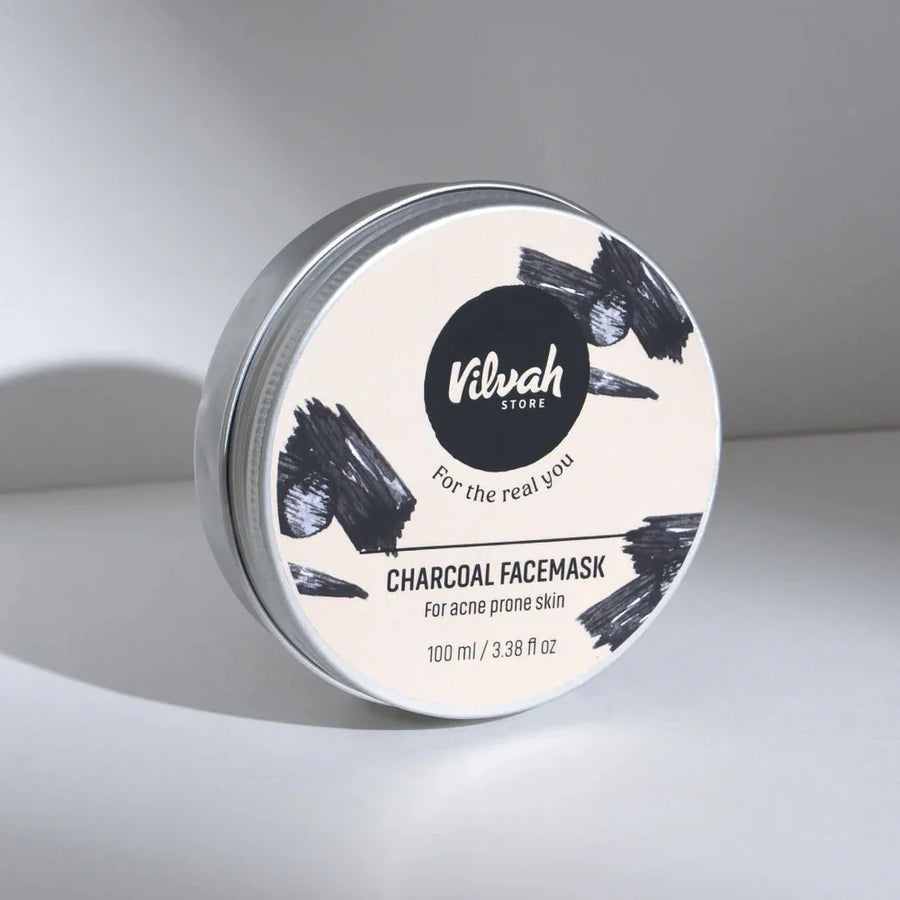
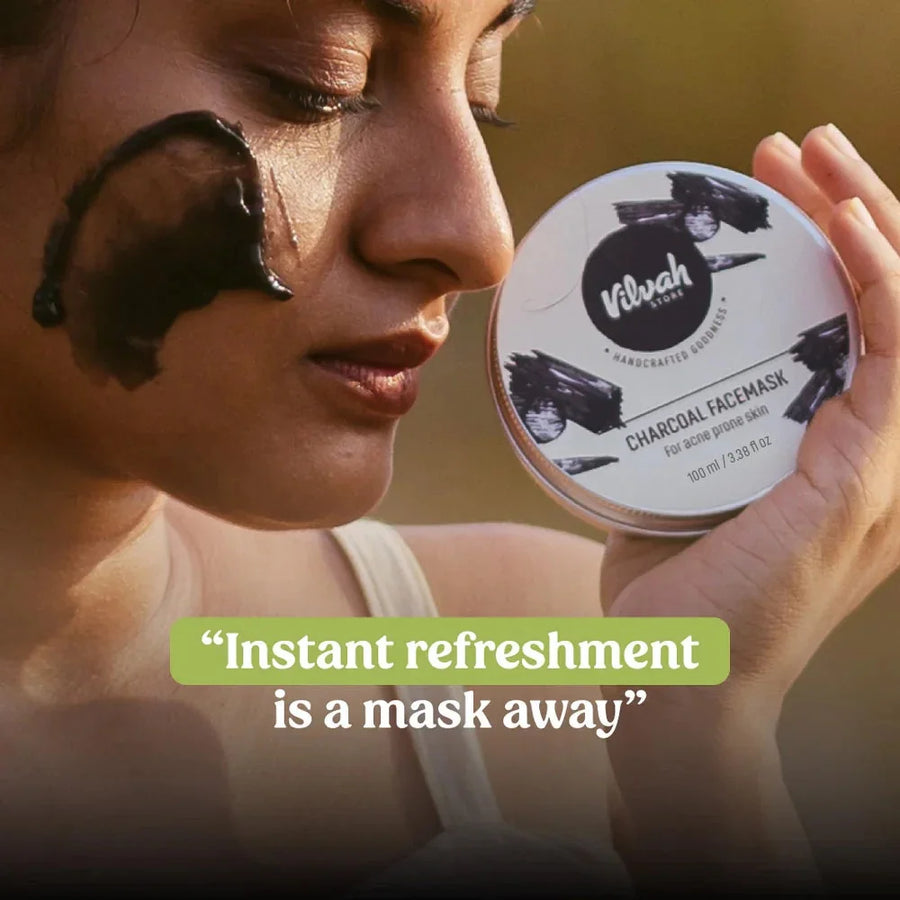
Deyga Charcoal Detox Face Mask (£13.99, 100g) combines activated charcoal with tea tree and jasmine hydrosols, and is made without parabens or artificial fragrance. Vilvah Charcoal Face Mask (£12.99, 100ml) pairs charcoal with aloe vera and tea tree hydrosol. Both have a fresh, clean feel that many people with oily skin enjoy. See more face masks for oily skin.
Powder face packs
Face packs are a long-standing part of Indian skincare: dried herbs, fruit peels and clays ground to a powder and mixed fresh each time.
- Deyga Orange & Almond Face Pack (£19.99, 100g): sun-dried orange pulp and zest, almond meal and turmeric. The almond meal gives it a gentle, polishing texture.
- Deyga Spirulina Matcha Face Pack (£17.99, 150g): spirulina, matcha, neem, moringa and aloe vera powder, for a green, earthy mask.
Mix a teaspoon with water, or with Deyga Pure Rose Water Toner (£11.99) for a softer scent, into a smooth paste. You may know the classic Indian clay multani mitti (Fuller's earth) used the same way; kaolin and French pink clay are other clays used in face masks.
Hydrating masks and eye masks
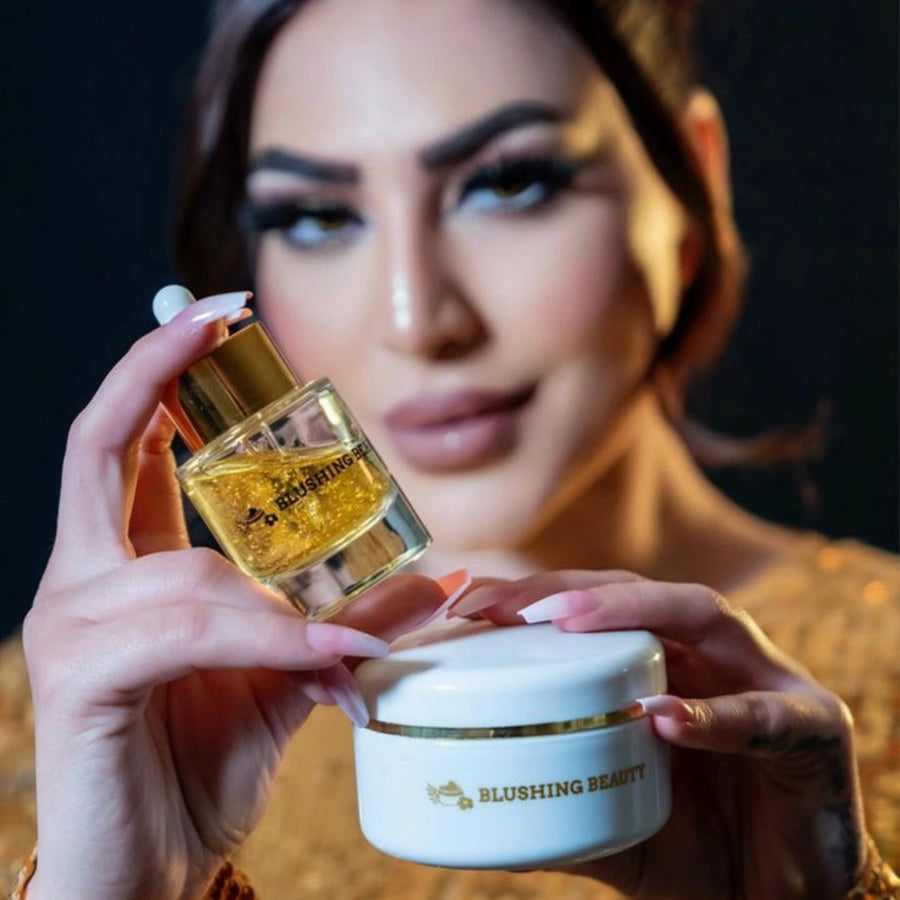
For skin that feels dry or tired rather than oily, choose a cream or gel mask that stays soft. The 24K Gold Hydrating Face Mask (£34.99) combines 24K gold with hyaluronic acid, ceramides, shea butter and centella asiatica, and makes a lovely treat or gift. For the delicate eye area, Deyga Under Eye Mask (£15.99, 15g) is a balm of kalonji, hemp seed, almond, rosehip and carrot seed oils with beeswax, to dab on at night. For eye creams and gels, read our under eye cream guide.
Which face mask suits your skin?
- Oily or combination skin: clay or charcoal masks, on the T-zone or the whole face.
- Dry skin: a hydrating cream mask, or a creamy clay mask such as the Milk Mud Mask, rinsed off before it dries completely.
- Sensitive skin: a short ingredient list without added fragrance, and a patch test first.
- Not sure? Try multi-masking: clay on the oily areas, a hydrating mask on the dry ones.
How to use a face mask
- Cleanse first with a face wash that suits your skin: see face wash for your skin type.
- Apply an even layer with clean fingertips or a brush, avoiding the eyes and lips.
- Leave it on for the time on the pack, usually 10 to 15 minutes. Rinse clay masks before they crack and pull, so skin does not feel tight.
- Rinse with lukewarm water and a soft cloth, then pat dry.
- Follow with toner and moisturiser straight away. Aloe vera gel is a light option: read how to use aloe vera gel.
How often should you use a face mask?
For most people, clay and charcoal masks once or twice a week are plenty; dry or sensitive skin may prefer once a week. Hydrating masks can be used more often. Always follow the directions on the pack.
Good to know
- Patch test any new mask on your jaw or inner arm first.
- Turmeric can leave a faint yellow tint on skin and towels; rinse well and use an old towel.
- Skip masks on broken, sunburnt or irritated skin. Breakouts or redness that last are worth showing to a pharmacist or your GP.
Explore more for oily skin, dry skin and sensitive skin, or the full natural skincare range, all dispatched from the UK.