A face serum is a light, concentrated step that sits between cleansing and moisturising. Most are watery or gel-like and carry one or two key ingredients, such as vitamin C, hyaluronic acid or niacinamide. Here is what each of those ingredients is, how to choose a serum, and how to layer it.
Serum, moisturiser or face oil?
- Water-based serums are thin and quick to absorb. They go on first, after cleansing and toning.
- Moisturisers are creams or lotions that hold moisture in. They go on after your serum.
- Oil serums are blends of plant oils. They can be used last at night, or mixed with a drop of moisturiser.
Vitamin C serum
Vitamin C is an antioxidant, and one of the most searched serum ingredients. Pure vitamin C (ascorbic acid) can be unstable, so many serums use a gentler, more stable form. Deyga 10% Vitamin C Face Serum (from £16.99, 20ml) uses ascorbyl glucoside, a stable form of vitamin C, with orange and citrus extracts. Use a vitamin C serum in the morning, and always finish with sunscreen. See every vitamin C serum.
Hyaluronic acid serum
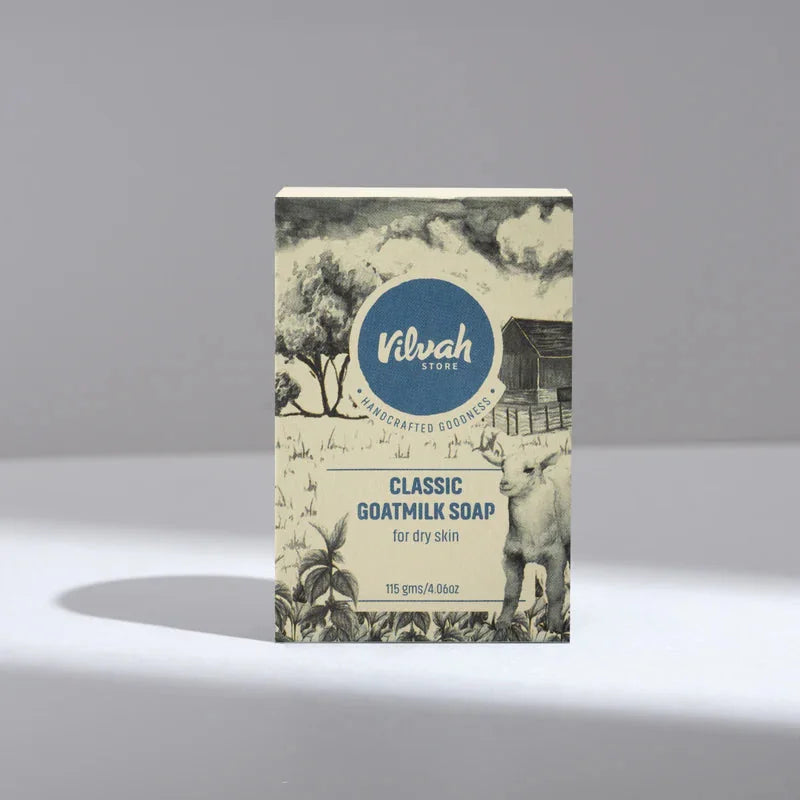
Hyaluronic acid is a moisture-loving ingredient that holds water in the skin, so it suits every skin type, including oily skin. Deyga 2% Hyaluronic Acid Serum (£22.99, 20ml) combines sodium hyaluronate with glycerine, panthenol, aloe vera and centella asiatica, and is made without fragrance. Vilvah Milk Drops Hydrating Serum (from £21.99) pairs aloe vera juice and hyaluronic acid with rice milk extract and alpha arbutin. Apply either to slightly damp skin.
Niacinamide, bakuchiol and ceramides
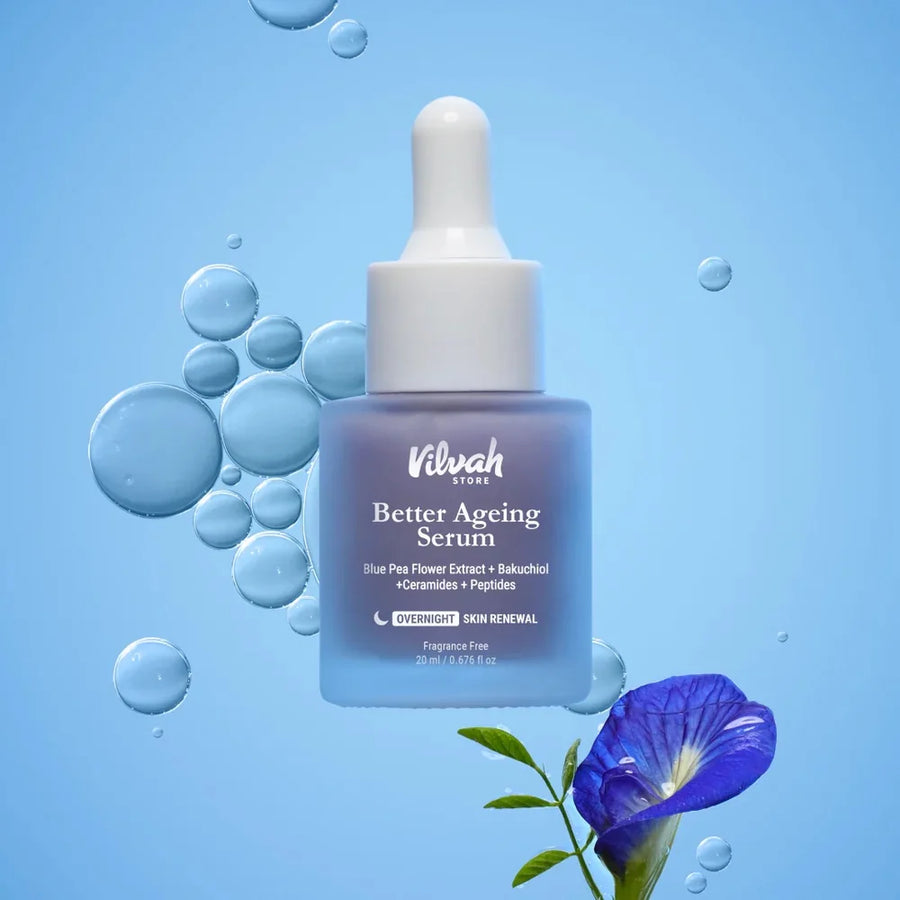
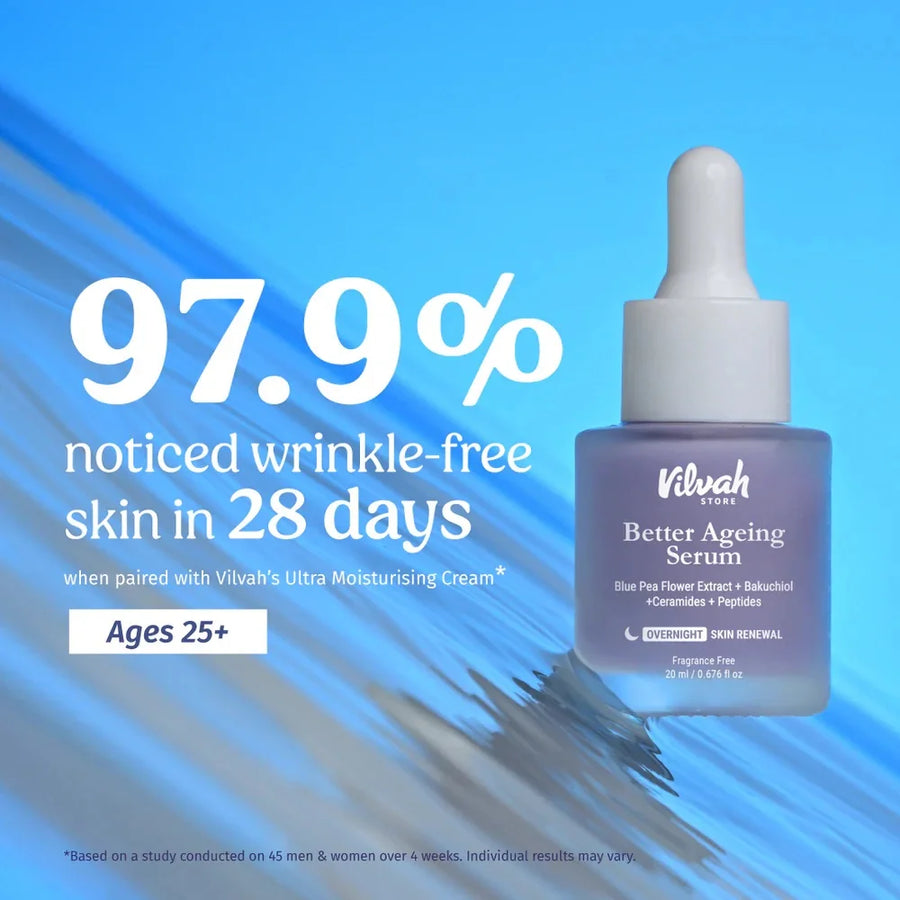
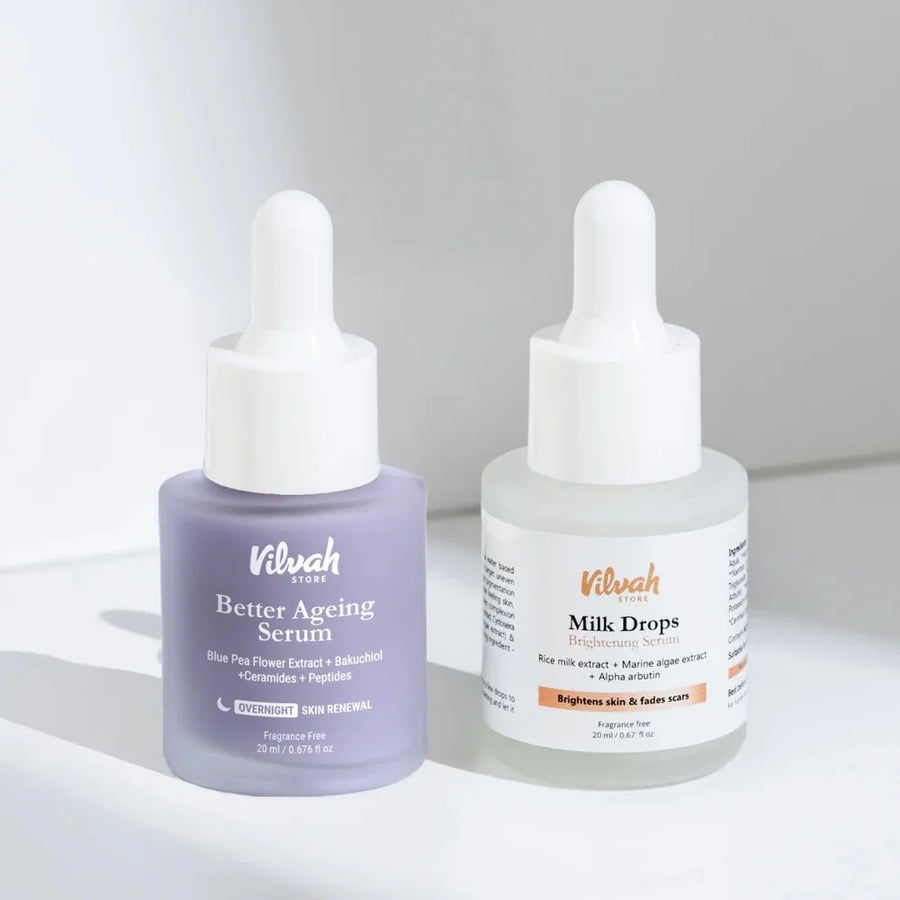
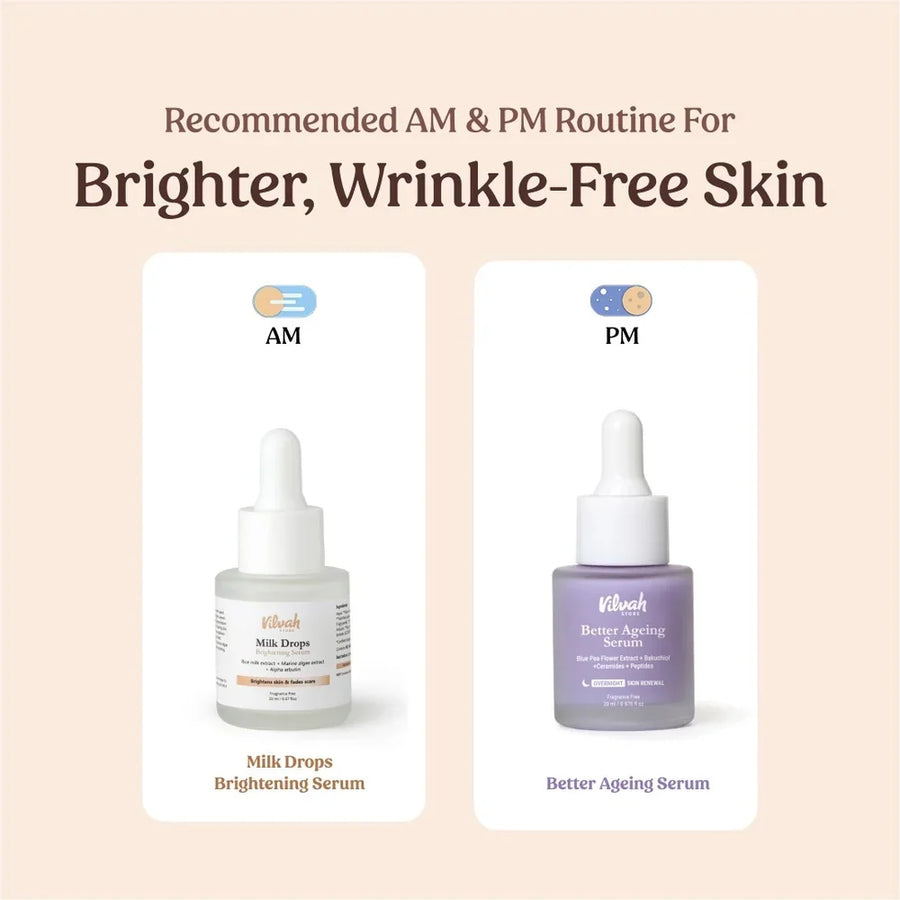
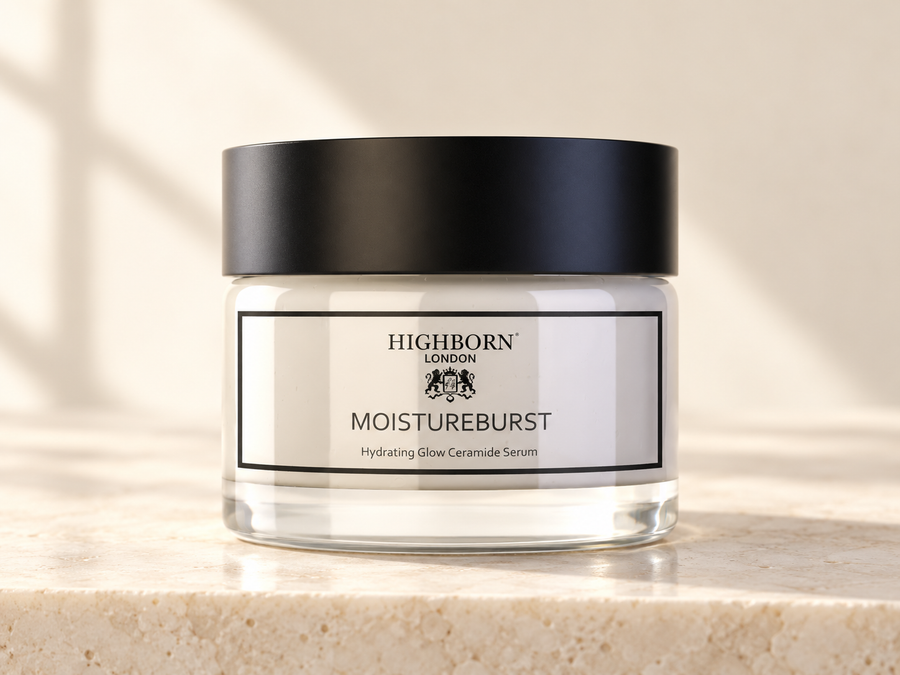
Niacinamide is a form of vitamin B3 that is easy to pair with other ingredients. If you are looking for a niacinamide serum, read the full ingredient list: niacinamide often works alongside other ingredients rather than on its own. Bakuchiol is a plant extract often used as a gentle alternative to retinol, and ceramides are lipids that are naturally found in skin. Vilvah Better Ageing Serum (£28.99, 20ml) brings all three together, with hyaluronic acid, olive squalane, blue pea flower extract and a plant peptide extract. The Vilvah AM PM Serum Kit (£47.99) pairs it with Milk Drops: Milk Drops in the morning, Better Ageing at night. For dry, mature skin, Highborn London MOISTUREBURST Serum (from £57) is a ceramide serum made to layer under moisturiser.
Face oil serums
Oil serums suit dry skin and evening routines. Deyga Rose Glow Serum (£17.99, 30ml) blends rose and saffron with coconut, pomegranate seed, rosehip, almond and jojoba oils. Deyga Beautifying Serum (from £17.99, 30ml) uses moringa, kukui, grapeseed and vetiver oils. Warm two or three drops between your palms and press them into the skin.
How to choose a face serum
- Dry or tight skin: hyaluronic acid, ceramides or a face oil at night.
- Oily skin: a light hyaluronic acid serum, which can be enough on its own on warm days.
- Dull-looking skin: a vitamin C serum in the morning, with sunscreen.
- Sensitive skin: a short, fragrance-free list, and one new product at a time.
How to layer a serum
- Cleanse with a face wash that suits you: see face wash for your skin type.
- Apply 2 or 3 drops of a water-based serum to slightly damp skin and press it in.
- Go thinnest to thickest: serum, then eye cream, then moisturiser. Read moisturiser for your skin type and our under eye cream guide.
- In the morning, finish with SPF. Browse every sunscreen.
You do not need several serums. One in the morning and one at night is plenty for most people.
Good to know
- Patch test a new serum on your jaw or inner arm for 24 hours.
- Introduce one new serum at a time, so you know what suits your skin.
- Store serums with the cap closed, away from heat and sunlight, and use them within the time shown on the pack.
- Stinging, redness or itching that lasts is worth showing to a pharmacist or your GP.
Shop every serum, explore hydration and glow, or the full skincare range, all dispatched from the UK.